Condoms After C Section Pregnant Again
Vaginal nascence vs. C-Section: Pros & cons

Babies tin can enter this world in one of 2 ways: a vaginal birth or surgical commitment by cesarean section. The ultimate goal of both methods is to ensure that the baby and mother are healthy.
In some cases, a C-section may be expected and thus scheduled in advance — for example, in the example of twins or other multiples; a medical condition, such as diabetes or high blood pressure; an infection that could be passed along to the baby during birth, such as HIV or genital herpes; or bug with the placenta.
A C-section may besides be necessary if the baby is very large and the mother has a pocket-size pelvis, or if the baby is not in a heads-down position and efforts to plough the babe into this position before nascency have been unsuccessful.
Related: Signs of labor: half-dozen clues baby is coming before long
Sometimes an obstetrician decides to perform an emergency C-section considering the health of the mother, the baby, or both is in jeopardy. This may occur considering of a problem during pregnancy or after a adult female has gone into labor, such equally if labor is happening too slowly or if the baby is not getting enough oxygen.
Some C-sections are considered constituent, meaning they are requested before labor. Someone may cull to accept a C-section to plan when to deliver or if they previously had a complicated vaginal delivery. But if someone is eligible for a vaginal commitment, there are not a lot of advantages to having a C-section, said Dr. Allison Bryant, a maternal-fetal medicine specialist at Massachusetts Full general Hospital in Boston.
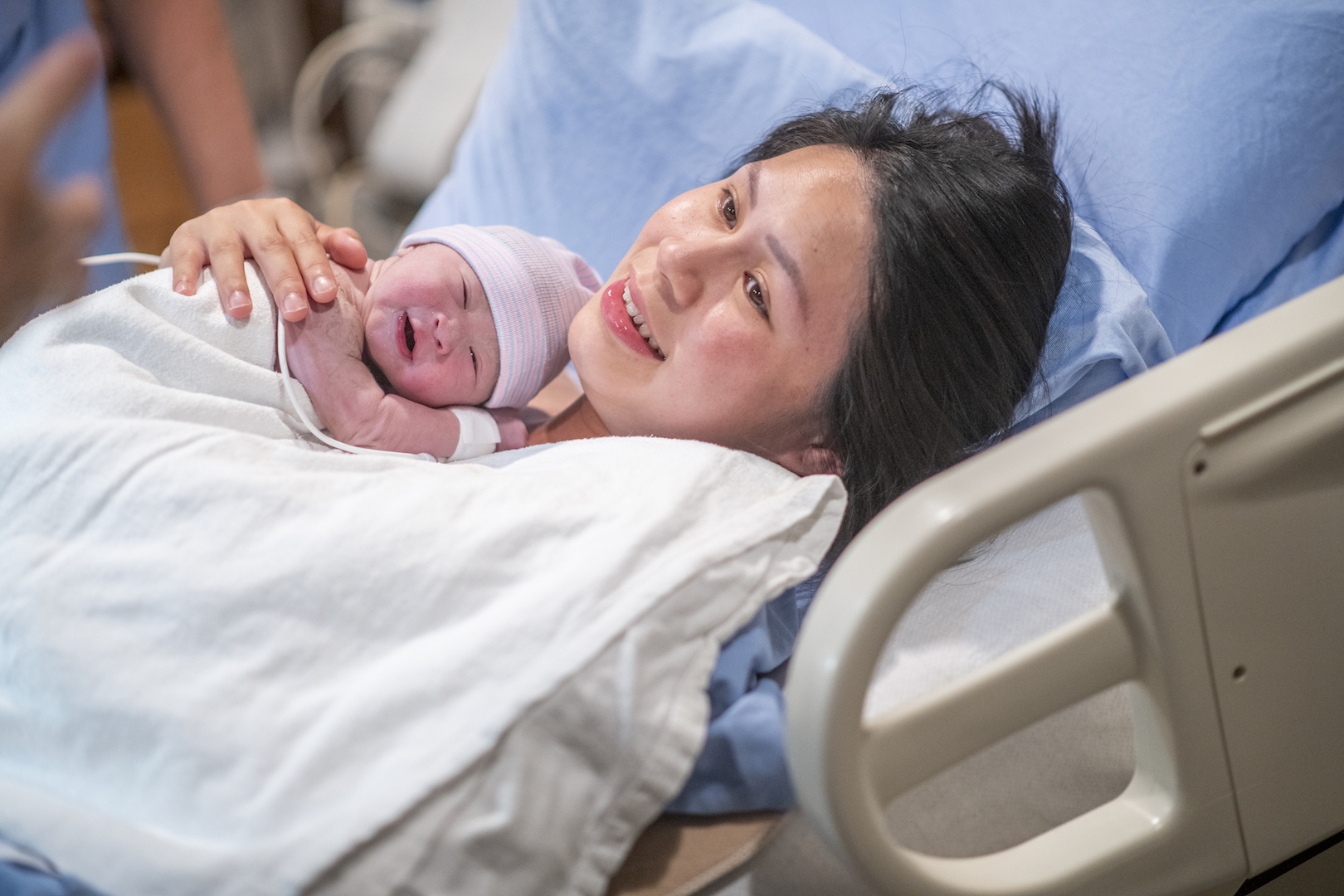
Although C-sections are by and large considered rubber and, in some situations, lifesaving, they do comport risks. The procedure is a major surgery and involves opening upwards the belly and removing the infant from the uterus. Because offset-time C-sections often pb to C-sections in future pregnancies, a vaginal nascence is mostly the preferred method of delivery for first pregnancies. About 2 in 3 babies in the United States are born via vaginal delivery, co-ordinate to the National Center for Wellness Statistics.
Related: Are yous pregnant? 12 early signs of pregnancy
Vaginal birth in people who have previously had a C-department, whether elective or because of an emergency, may be contraindicated depending on the location of their C-section incision and take a chance of uterine rupture in which the uterus bursts open along the old cut, co-ordinate to the Majestic College of Obstetricians and Gynecologists. This type of birth is known every bit Vaginal Nascence Subsequently Cesarean (VBAC). However, non all hospitals are not equipped to bargain with VBAC complications and some doctors refuse to oversee them, said Dr. Patricia Santiago-Munoz, a high-risk pregnancy specialist in the Section of Obstetrics and Gynecology at University of Texas Southwestern Medical Center in Dallas.
Regardless of how they requite birth, "women should be as informed as possible almost their childbirth options and so they tin have a phonation in the procedure, advocate for what they want and make the most informed pick," Bryant said. Here is more information almost the pros and cons of the two birthing methods.
Vaginal commitment: Pros
- Vaginal births typically require shorter infirmary stays and recovery times compared with C-sections. Although country laws vary, the typical length of a hospital stay following a vaginal delivery is 24 to 48 hours, although it could be shorter than the allowable time menses permitted in the state, Bryant told Live Scientific discipline.
- Vaginal births typically avoid the risks associated with major surgery, such as severe bleeding, scarring, infections, reactions to anesthesia and longer-lasting pain. And considering major surgery is not involved, a mother may exist able to begin breastfeeding sooner.
- A baby who is delivered vaginally volition be able to have more early contact with their mother, who can initiate breastfeeding sooner than she could if she had a C-section, Bryant said.
- During a vaginal delivery, muscles involved in the process are more probable to squeeze out the fluid in a newborn's lungs, Bryant said, which is beneficial considering it makes babies less likely to suffer animate problems at birth.
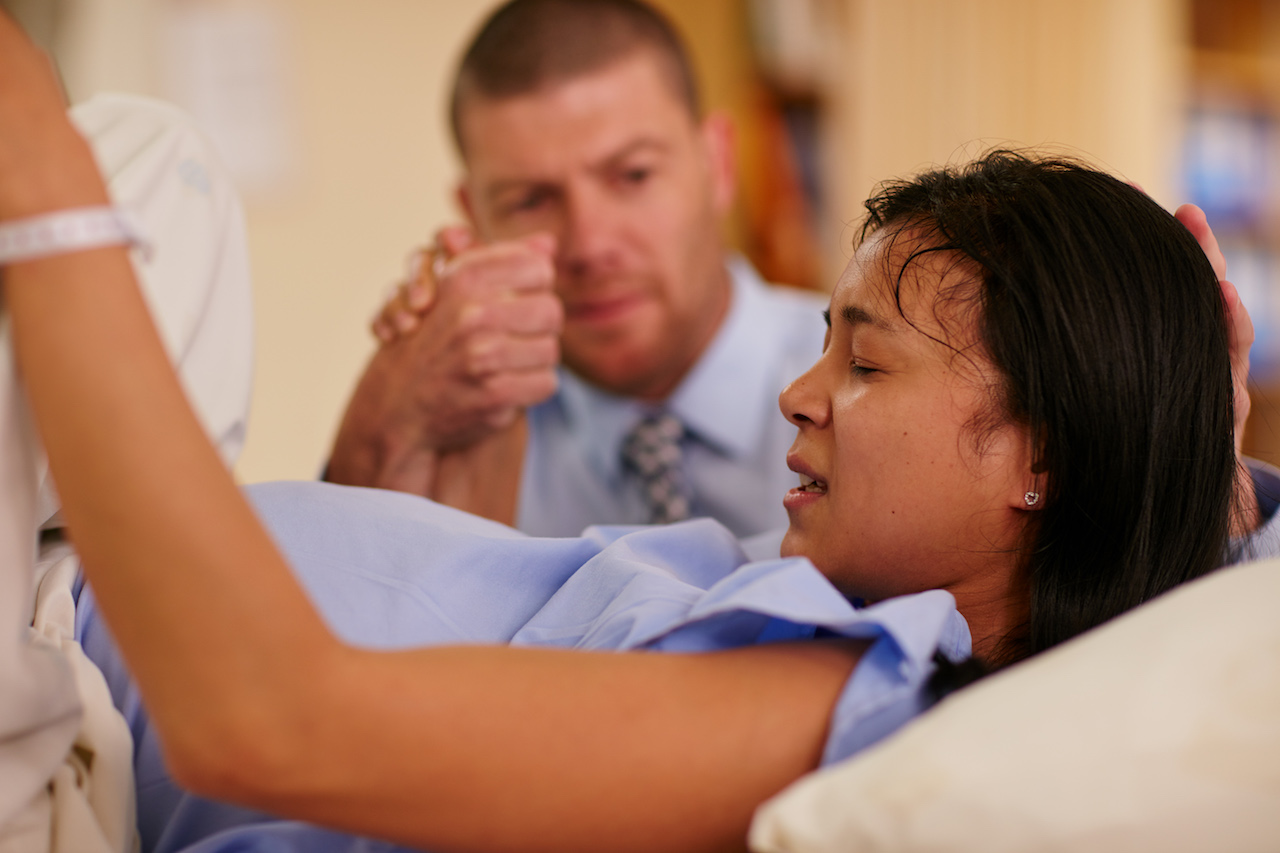
Vaginal delivery: Cons
- Going through labor and a vaginal commitment is a long process that tin be physically grueling. On average, beginning-time mothers spend between four and viii hours in active labor, which is when their neck is fully dilated and their body wants them to push, according to maternal- and baby-health organization March of Dimes.
- During a vaginal commitment, there is a risk that the pare and tissues effectually the vagina could stretch and tear while the fetus moves through the birth culvert. Severe stretching and tearing may require stitches. This stretching and tearing also could cause weakness or injury to pelvic muscles that control urine and bowel functions.
- A 2018 review in the periodical PLOS Medicine establish that women who delivered vaginally were more than likely to experience urinary incontinence (and leak urine when they cough, sneeze or laugh) and to accept pelvic organ prolapse, which is when one or more organs slip into the pelvis, compared with women who delivered via C-department.
- A vaginal commitment may likewise crusade lingering pain in the perineum, the expanse between the vagina and anus.
- If a adult female has had a long labor or if the baby is big, the baby may get injured during the vaginal birth process itself, resulting in a hobbling scalp or a fractured collarbone, according to Stanford Children'south Health.
C-section: Pros
- A woman may choose to take a C-section if she has overwhelming feet near a vaginal birth, which may affect her feel of delivery.
- Women who have C-sections are less probable to endure from urinary incontinence and pelvic organ prolapse compared with women who evangelize vaginally.
- A surgical birth can be scheduled in accelerate, making it more convenient and predictable than a vaginal nativity and labor.
- If the baby or mother is in danger, a C-department tin can be lifesaving.
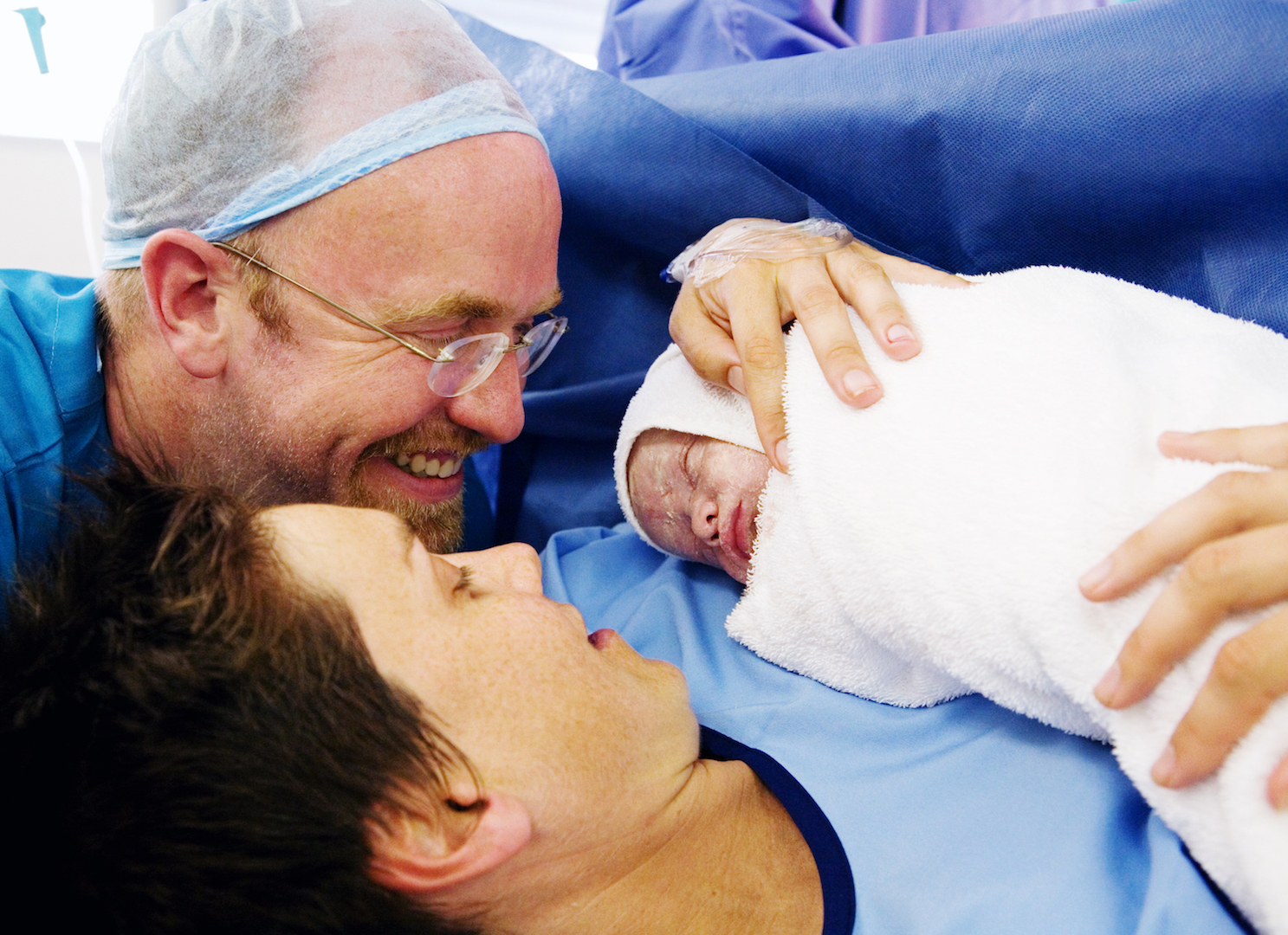
C-section: Cons
- C-sections typically require longer hospital stays — 2 to four days, on average, compared with one to two days for vaginal deliveries. The recovery menstruation is as well longer and there may exist more pain and discomfort in the belly, equally the skin and fretfulness surrounding the surgical scar need time to heal, ofttimes at least two months.
- A C-section increases the take a chance for mail-delivery ailments such as pain or infection at the incision site and longer-lasting soreness, according to the U.K.'south National Health Service.
- A C-department involves an increased hazard of blood loss, Bryant said, as the bowel or bladder can be injured during the operation or a blood jell may grade.
- Women who had a C-department are less likely to begin early on breastfeeding compared with women who had a vaginal birth, co-ordinate to a 2012 review published in The American Periodical of Clinical Nutrition.
- Women are 3 times more likely to die during a cesarean commitment than during a vaginal birth, due mostly to blood clots, infections and complications from anesthesia, according to a 2006 study published in the journal Obstetrics & Gynecology. Moreover, a 2017 review based in Brazil constitute that women were more likely to die during a C-section or develop an infection than during a vaginal delivery, although they were less probable to drain out.
- Once a adult female has had a C-department, she is more probable to take a C-section for future deliveries, Bryant said. There may as well exist a greater run a risk of future pregnancy complications, such as placental abnormalities and uterine rupture, which is when the uterus tears along the scar line from a previous C-section. The risk for placental problems continues to increase with every C-section a woman undergoes, according to the Mayo Clinic.
- Babies born past C-section may exist more likely to have breathing problems at nascency and fifty-fifty during childhood, such as asthma, according to a 2019 study published in the journal Allergy, Asthma & Clinical Immunology.
- A 2018 review published in the journal PLOS Medicine found that at that place was a higher risk of stillbirth when women had C-sections. The authors admit, however, at that place may have been confounding factors which were not taken into account in their study, such as whether these c-sections were emergencies and when in the labour procedure they occurred.
- During a C-department, there is a minor risk that a baby can become nicked by the scalpel during the surgery and get injured, Bryant said. For reasons that remain unclear, some studies, including a 2020 investigation of more than 33,000 women, accept also suggested a link betwixt babies delivered by C-section and a greater risk of condign obese and developing blazon 2 diabetes as children and as adults.
Editor's Note: If y'all'd like more information on this topic, we recommend the following book:
Additional resources
- This is what happens during a C-section, every bit described by the Mayo Dispensary.
- Here is how a woman's vagina changes after a vaginal birth, described by NHS.
- It is possible to accept a vaginal nascence afterwards having a C-department (known as a VBAC). Here is some information nigh VBACs from National Childbirth Trust 1st i,000 Days, a U.K.-based charity.
This article was updated on May 20, 2021 by Live Science correspondent Sarah Wild.
hopwoodtheakision.blogspot.com
Source: https://www.livescience.com/45681-vaginal-birth-vs-c-section.html
Belum ada Komentar untuk "Condoms After C Section Pregnant Again"
Posting Komentar